Good Fortune Feng Shui & Gifts

Feng Shui Consultation
Feng Shui is a traditional Chinese practice that aims to harmonize individuals with their environment to promote positive energy flow and overall well-being. The term “feng shui” translates to “wind and water,” reflecting the belief that the flow of these natural elements can impact human life.
The fundamental principle of Feng Shui is that everything in the universe is connected and influenced by the flow of energy, known as “qi” or “chi.” The goal of Feng Shui is to enhance the balance and flow of this energy in order to create a harmonious and supportive environment.
Feng Shui takes into account various factors, including the arrangement of furniture, the placement of objects, and the use of color and materials in a space. It emphasizes the importance of creating a space that is organized, clutter-free, and aesthetically pleasing. By doing so, it is believed that positive energy can be enhanced, leading to improved health, relationships, and overall prosperity.
Some common elements and practices in Feng Shui include:
- Bagua: A Feng Shui energy map that divides a space into nine areas representing different aspects of life, such as wealth, career, relationships, and health.
- Five Elements: Wood, Fire, Earth, Metal, and Water are considered the five elements in Feng Shui. Each element has specific qualities and is associated with different colors, shapes, and materials. Balancing these elements in a space is believed to promote harmony.
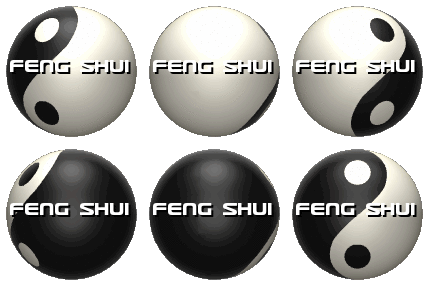
- Yin and Yang: Yin represents passive and calming energy, while Yang represents active and energizing energy. Achieving a balance between these two polarities is essential in Feng Shui.
- Clearing Clutter: Clutter is believed to obstruct the flow of energy. Clearing and organizing spaces is a key practice in Feng Shui to promote positive energy flow.
- Placement and Arrangement: The positioning of furniture, objects, and structures in a space is important in Feng Shui. It considers factors such as the direction, shape, and materials to optimize energy flow.
Feng Shui is commonly used in interior design, architecture, and urban planning to create spaces that are not only visually appealing but also promote a sense of well-being and harmony. While it is rooted in ancient Chinese philosophy, Feng Shui principles have gained popularity worldwide as a means to create balanced and positive living and working environments.
A Feng Shui consultation is a service provided by a Feng Shui practitioner or consultant to help individuals or businesses optimize the energy flow in their living or working spaces. Feng Shui is an ancient Chinese practice that focuses on harmonizing the environment to enhance well-being, attract positive energy, and promote balance and prosperity.
During a Feng Shui consultation, the consultant typically visits the space and assesses various factors, such as the layout, orientation, furniture placement, colors, and overall energy flow. They consider the principles of Feng Shui, which involve the interaction between the five elements (wood, fire, earth, metal, and water), the concept of yin and yang, and the Bagua map, which divides the space into different areas representing different aspects of life.
Based on their analysis, the consultant provides recommendations and suggestions to optimize the energy flow in the space. This may involve rearranging furniture, adding or removing objects, using specific colors, incorporating natural elements, or making other adjustments to create a more harmonious and balanced environment.
The goal of a Feng Shui consultation is to create a space that supports the well-being and goals of the individual or business. It is believed that by aligning the energy in the environment, one can enhance various aspects of life, such as health, relationships, career, and overall prosperity.
It’s important to note that while Feng Shui has a long history and is practiced by many, its effectiveness is subjective and varies from person to person. Some people find it beneficial and experience positive changes, while others may not notice significant effects
Feng Shui Home
Feng Shui is an ancient Chinese philosophical system that focuses on harmonizing individuals with their environment. Feng Shui home refers to the practice of applying Feng Shui principles and techniques to create a balanced and harmonious living space.
In Feng Shui, it is believed that the arrangement and orientation of objects within a home can affect the flow of energy, or “Qi,” which can in turn influence various aspects of one’s life, including health, relationships, and prosperity. By optimizing the energy flow, a Feng Shui home aims to create a supportive and positive environment.

Here are some key principles and elements often considered in Feng Shui home design:
- Qi flow: The main objective is to allow the free flow of positive energy throughout the space. This involves decluttering, organizing, and ensuring unobstructed pathways.
- Five elements: Feng Shui incorporates five elements—wood, fire, earth, metal, and water—representing different energies. Balancing these elements in the home can enhance harmony and well-being. For example, using plants (wood element) or candles (fire element) can bring in vibrant energy.
- Bagua map: The Bagua is a Feng Shui energy map used to analyze different areas of a home and their corresponding life aspects. Each area relates to specific aspects like wealth, relationships, career, and health. Adjustments can be made based on the Bagua to enhance the energy in those areas.
- Yin and Yang: Striking a balance between the Yin (passive) and Yang (active) energies is important. Balancing light and dark colors, soft and vibrant textures, and curved and straight lines can help create harmony.
- Furniture placement: Arranging furniture in a way that promotes a good flow of energy is crucial. Positioning beds, desks, and seating in the “commanding position,” which allows a view of the door while being supported by a solid wall, is considered favorable.
- Color selection: Colors can have different energies and affect mood. Choosing appropriate colors based on the purpose of each room and the desired energy can contribute to a harmonious atmosphere.

It’s important to note that Feng Shui is a complex and nuanced system, and individual preferences and cultural considerations may vary. Consulting with a professional Feng Shui practitioner can provide personalized guidance for optimizing the energy flow in your home.


Social Login

